Increased Participation of Women in the United States Mosques
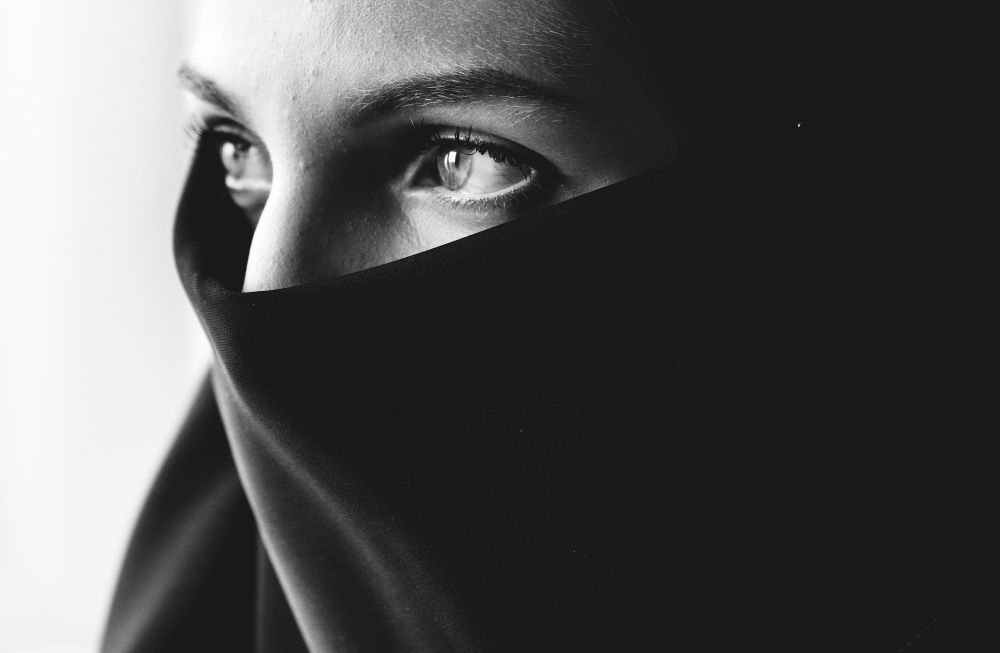
Mosques, as places of worship and community collecting for Muslims, have historically been male-dominated areas. However, there are restrained opportunities for women to actively participate. Additionally, with an increasing number of ladies actively conducting spiritual practices and taking up management roles. This article explores the Increased Participation of Women in the United States Mosques
Muslim women in the United States
Muslim women in the United States are a diverse and dynamic organization, actively expanding participation in various elements of society. They excel in fields such as academia, law, medicine, media, and entrepreneurship, defying stereotypes and shattering barriers. Engaged in promoting social justice, many Muslim women lead organizations. Moreover, initiatives focused on civil rights, gender equality, and interfaith collaboration. With their resilience, determination, and dedication, Muslim women in the United States have significantly Increased Participation and enriched the fabric of American society.
Increased Participation of Women in the United States Mosques
Although women have historically been less involved compared to men, the survey reveals a noticeable change in the increased participation of women. In 2011, only 14% of United States mosques saw women representing more than a quarter of attendees, while this figure rose to 21% by 2020. Although there has been some increase in Women participation, the majority of attendees at Friday prayer services in United States mosques continue to be men. A staggering 94% of mosques still witness men constituting the majority of Jumah prayer attendees, with no mosques reporting men accounting for less than three in ten participants during Friday prayer. 44% of United States mosques lack children during Friday prayers, which clashes with the school day. However, in 55% of mosques, children were present, indicating some level of intergenerational engagement and the increased participation of women in United States mosques.
Dividers in the mosque
A central point of contention regarding women's participation in United States mosques revolves around the question of whether women should pray in the same space as men or have a separate area, either behind a divider or in another room. Mosques that provide a choice for women to pray in the same space as men or behind a barrier were classified as not using dividers, reflecting the ongoing discussions about the increased participation of women. On the other hand, a small percentage of mosques have incorporated mezzanine areas designated for women, and these were categorized as having dividers, showcasing efforts to address the issue of increased participation of women in United States mosques.
Mezzanines were initially introduced as a compromise, allowing women in the elevated space to have a view of the imam below who leads prayers or delivers sermons, aiming to promote the increased participation of women. However, this compromise has proven to be unsatisfactory since only the first row in the mezzanine has a clear line of sight to the imam, and active participation becomes challenging when classes or discussions take place in the main prayer area, highlighting the need for further progress in facilitating the increased participation of women in United States mosques.
Women in Islam
Contemporary American Muslim women face the challenge. Particularly concerning the increased participation of women in United States mosques. Today, Muslim women in the United States occupy a diverse range of positions and professions, showcasing their capabilities. In addition contributions to society and highlighting the increased participation of women. Furthermore, their journeys into Islam differ, as some were raised in Muslim households. While others embraced the faith later in life, emphasizing the increased participation of women in United States mosques.
In terms of attire, Muslim women demonstrate a variety of choices, reflecting the diversity of interpretations. As well as, expressions of faith among Muslim women in the United States and the increased participation of women in United States mosques. Some cover their heads solely during prayer sessions at the mosque, while others wear the hijab as a regular practice. Additionally, some opt for head coverings such as turbans or loosely draped scarves, contributing to the visibility and increased participation of women in United States mosques.
Women Shaping the Future of American Mosques
Another tremendous thing of the developing fashion of elevated participation of girls in United States mosques is the emergence of women as leaders in the mosque network. While historically male imams have led prayers and brought sermons, there's now a rising range of women taking up management roles as imams, chaplains, and students, further promoting the improved participation of women. These women are not only challenging gender norms but also providing role models for younger generations. It inspires them to become actively engaged in religious life and contribute to the increased participation of women in United States mosques.
Educational Initiatives
Educational initiatives play a crucial role in empowering women and promoting the increased participation of women in United States mosques. Many mosques now offer educational programs and classes specifically designed for women, focusing on Islamic teachings, and theology. As well as, women's rights within the faith, thereby fostering the increased participation of women. By equipping women with knowledge and understanding, these initiatives enable them to actively contribute to religious discussions, make informed decisions, and challenge patriarchal interpretations, further promoting the increased participation of women in United States mosques.
Interfaith Collaboration
The increased participation of women in United States mosques has also fostered interfaith collaboration, promoting the increased participation of women. Women from one-of-a-kind religious backgrounds are coming together in mosques to discuss unusual issues. However, builds bridges of understanding, and promotes mutual respect. Thereby enhancing the increased participation of women. These collaborative efforts not only strengthen interfaith relations but also amplify women's voices. As well as create opportunities for collective social change in United States mosques.
The “Role of Women†in Islam
Describing the "position of women" in Islam presents a multifaceted challenge, despite the increased participation of women. The Qur'an and the teachings of Prophet Muhammad acknowledge the diverse functions. As well as, interdependent roles of both men and women, promoting a just and harmonious social and family life that supports the increased participation of women. Moreover, it overshadows the progress and increased participation of women in United States mosques. In contrast, Muslim women often emphasize the freedom and dignity they derive from their faith. However, challenging misconceptions and highlighting the increased participation of women.
Future Outlook and Sustainability
The growing trend of increased participation of women in United States mosques signals a positive shift in the religious landscape. To sustain and expand this trend of increased participation of women. Ongoing efforts are needed to promote gender equality and empower women. As well as foster inclusive spaces within mosques. Collaboration among nonsecular leaders, students, and network individuals is important in creating a supportive environment that values and encourages the lively participation of ladies, contributing to the expanded participation of women in United States mosques.
Recent Posts

10 Top Mosques, You must visit in Canada

10 Top Mosques to Visit in the United Kingdom

Best 10 Mosques in USA

Top 10 Beautiful Mosques of the UAE

Some Common Misconceptions About Mosques and Islam

Explore the Essential Etiquette Tips for Visiting a Mosque
Discover How Many Mosques are Included in the Holy Quran

FAQs Sessions Guide for Non-Muslims Before Visiting a Mosque