Some Common Misconceptions About Mosques and Islam

Misconceptions about mosques and Islam are huge, and they can have an extensive effect on humans's opinions and attitudes. This manual seeks to dispel a few common misconceptions about mosques and Islam, focusing light on the often-obscured truth.
Mosques and Islam Overview
In Islam, mosques are sacred places of prayer. They serve as gathering places for communal prayer, spiritual meditation, and the unfolding of spiritual facts. They appear as God's dwelling house in Islam, where Muslims meet for the 5 daily prayers and the Friday congregational prayer. Mosques also are vital in growing a sense of network and supplying a venue for educational and social activities. Their architectural variety reflects the Muslim international's rich cultural and historical legacy.
Debunking Misconceptions About Mosques and Islam
All Muslims Speak Arabic
One frequent delusion is that all Muslims are fluent in Arabic. Arabic is taken into consideration as the holy language of Islam and is used appreciably in religious literature. However, the bulk of Muslims worldwide do not speak Arabic as their first language. Many Muslims communicate in various languages, making the Muslim international linguistically various.
Islam Opposes Science and Progress
One unusual misperception is that Islam is opposed to technology and progress. Throughout history, numerous Muslim teachers have made full-size contributions to several disciplines of science. The pursuit of knowledge is recommended in Islam, and there is no intrinsic struggle between faith and medical inquiry.
All Muslims are Arabs
Some commonplace misconceptions about Islam assume that all Muslims are Arabs. While many Muslims are of Arab history, the sizable majority of Muslims globally are not. Islam is an international religion with followers from a variety of ethnic backgrounds, and this variety ought to be identified.
Women Are Not Allowed in Mosques
Another common misconception is that women are not permitted in mosques. While certain mosques may have limits or separate prayer places for women. However, it is critical to recognize that these traditions vary greatly. Women are welcome at many mosques, and they actively participate in congregational prayers and community activities. The assumption that mosques completely bar women from entering is not universal and varies by location.
Islam Promotes Violence
Another common misconception is that Islam encourages violence. This misperception originates from the behavior of a small institution of radicals who do not constitute the bulk of Muslims. The number one concept of Islam is peace, compassion, and justice. The huge majority of Muslims are searching for peaceful cooperation and reject violent acts.
Exclusivity of Mosques
One common misconception about mosques is that they're just for Muslims. While mosques are predominantly facilities of Islamic worship, they frequently welcome individuals of diverse faiths. Many mosques provide guided tours as well as instructional events to promote interfaith talk and cultural expertise. To overcome this perception, it's essential to apprehend that mosques may be more than simply unique homes of prayer.
Mosques are Centers of Extremism
Another fantasy that unfairly tars mosques and Islam is that they're fertile grounds for extremism. In truth, the vast majority of mosques propose peace, harmony, and community involvement. They play a vital position in Muslims' lives by providing training, social services, and a feeling of belonging. Muslim leaders criticize extremist acts and strain the necessity of peaceful cooperation.
Mosques are Only for Muslims
One of the most unusual misconceptions about mosques is that they may be extraordinary to Muslims. While mosques are predominantly places of worship for Muslims, they're often open to guests of all faiths. Many mosques offer guided excursions, and they allow non-Muslims to study Islam and its customs. Mosques can act as interfaith bridges, growing information and tolerance among diverse groups.
Misconceptions About Islam's Spread and Tolerance
Two common misconceptions approximately Islam revolve around the notion that it become spread with the aid of the sword and is illiberal of other faiths. The historical unfolding of Islam became not entirely through force but additionally through nonviolent manners like trade and international relations. Additionally, Islam encourages tolerance and coexistence with humans of other faiths. The faith's teachings emphasize appreciation for the non secular variety and the significance of residing harmoniously with individuals of various ideals. These misconceptions oversimplify the complexities of Islamic records and their cutting-edge values.
Some Common Misconceptions also Included
- Mosques are only used for religious purposes: A common misconception is that mosques are only used for religious purposes. They are primarily houses of worship, but they also function as community centers, providing a variety of services and educational programs.
- At the mosque, all Muslims pray: Not all Muslims go to the mosque regularly. While encouraging congregational prayers on Fridays, many Muslims pray at home or work.
- Mosques are exclusively for men: Another common misconception is that mosques are only for men. Women are permitted to attend mosques in Islam, and many mosques have designated prayer spaces for women.
- Mosques are secretive places: Many people believe that mosques are clandestine or exclusive. In actuality, many mosques are open to non-Muslims and guests, and they frequently host programs to encourage interfaith conversation and understanding.
- Muslims do not interact with non-Muslims: Muslims frequently interact with members of other religions and participate in social, educational, and philanthropic activities with their non-Muslim neighbors.
- Islam is a monolithic religion: Islam is a multifaceted faith with numerous sects and interpretations. Muslims may hold different religious practices and beliefs, much as Christians have different denominations.
It's essential to be aware of some common misconceptions approximately mosques and Islam. As well as are trying to find accurate statistics to foster knowledge and tolerance. However, addressing some not-unusual misconceptions approximately mosques and Islam is essential for promoting information, tolerance, and nonviolent coexistence in our diverse world. Misconceptions can perpetuate stereotypes and divide. We can paintings toward a more inclusive and harmonious society wherein mosques and the faith of Islam are better regarded and revered through know-how the truth about these topics.
Recent Posts

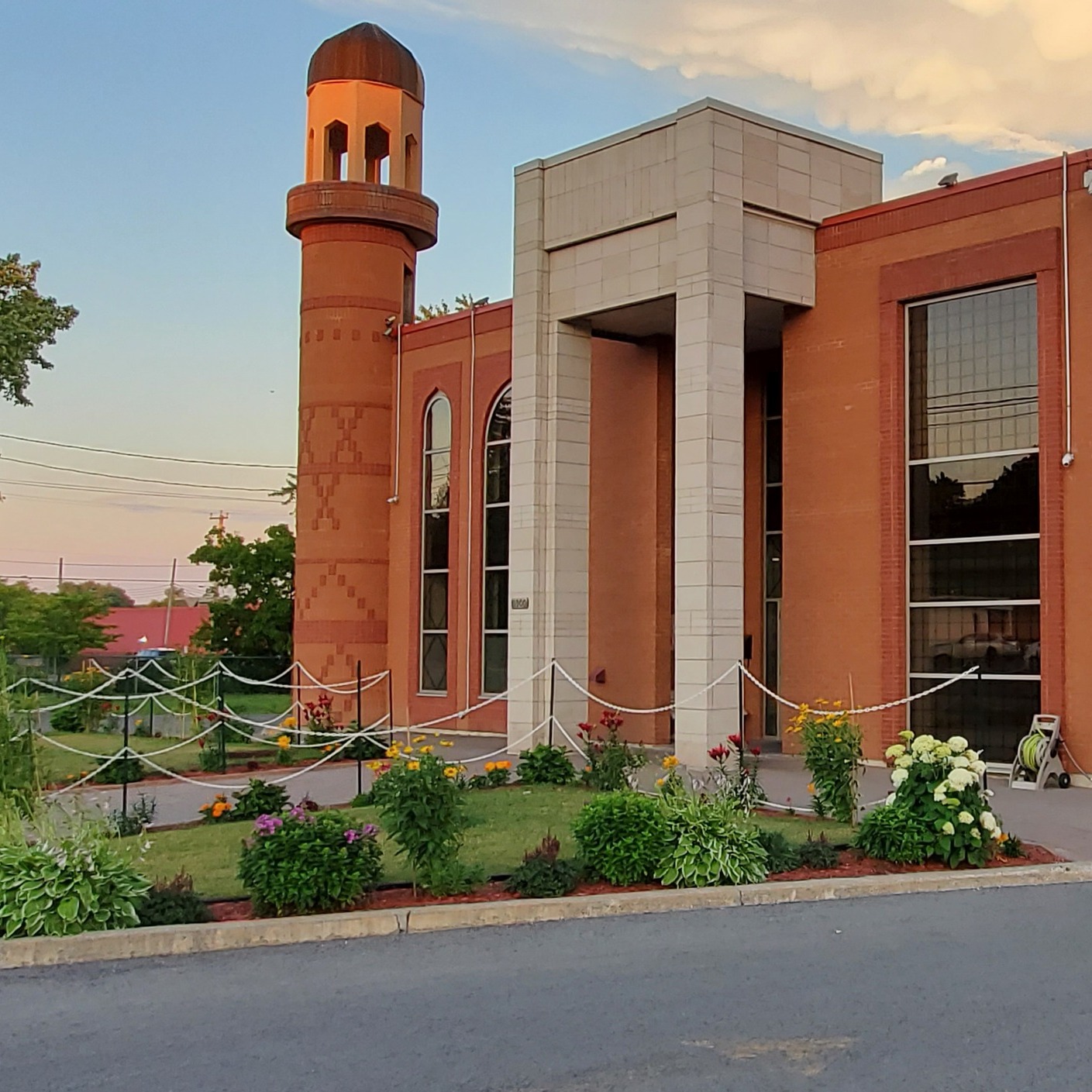
10 Top Mosques, You must visit in Canada
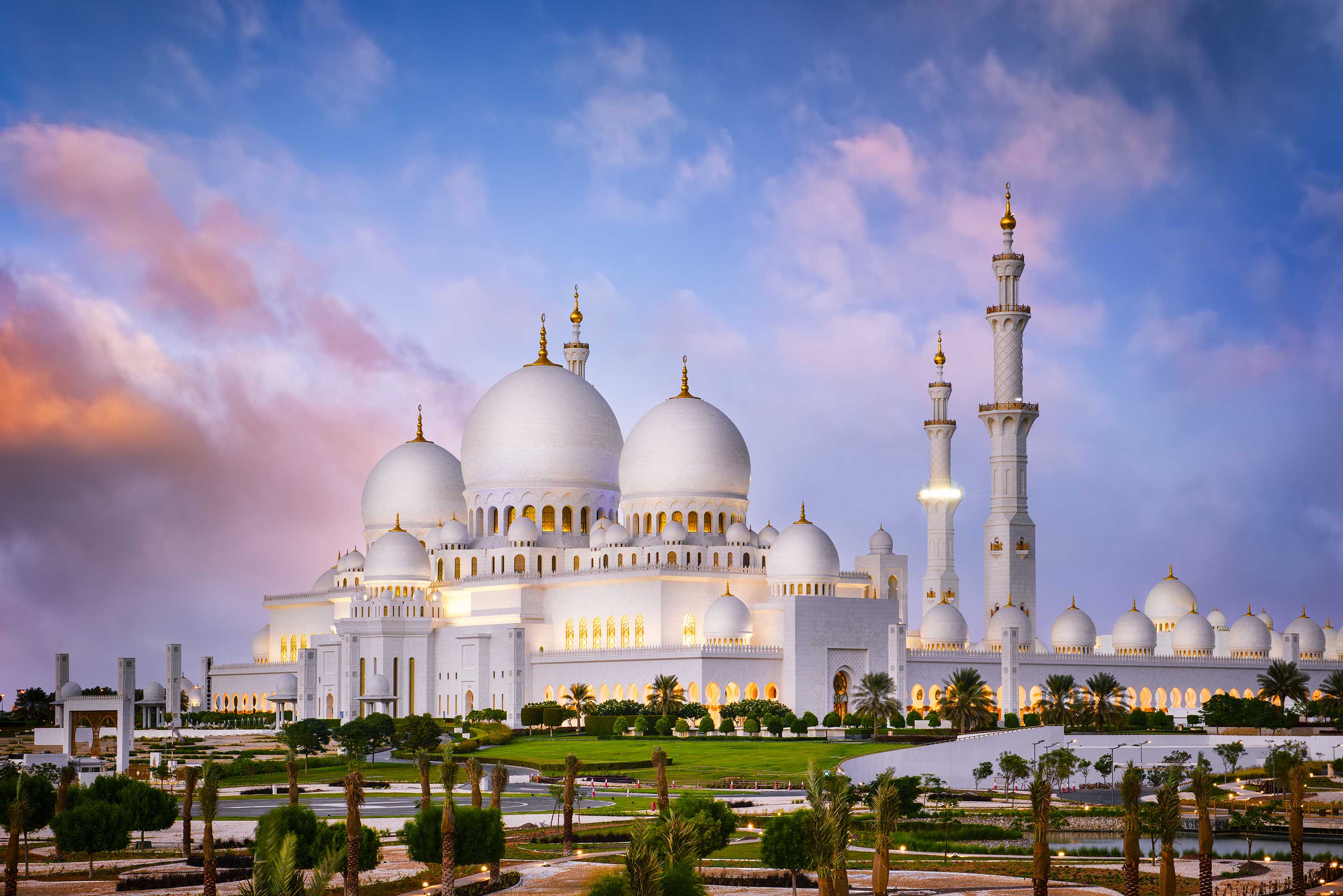
10 Top Mosques to Visit in the United Kingdom

Best 10 Mosques in USA

Top 10 Beautiful Mosques of the UAE

Explore the Essential Etiquette Tips for Visiting a Mosque
Discover How Many Mosques are Included in the Holy Quran

FAQs Sessions Guide for Non-Muslims Before Visiting a Mosque
Islam: The Major Fastest Growing Religion in the World Today
