FAQs Sessions Guide for Non-Muslims Before Visiting a Mosque

As a non-Muslim, visiting a mosque can be a pleasant experience. However, it provides insights into Islamic culture and spirituality. It is, nonetheless, critical to be well-prepared and considerate. This FAQs Sessions Guide is for non-Muslims to use when thinking about visiting a mosque.
What Is a Mosque, and What Is Its Primary Purpose?
A mosque is a Muslim place of worship. It is the focal point for Islamic religious activity. A mosque's principal function is to provide a place for Muslims to assemble, pray, and enhance their connection with God (Allah). FAQs Sessions Guide can help Non-Muslims before visiting a Mosque
Can Non-Muslims Visit a Mosque?
Non-Muslims are often welcome to visit mosques. To ensure a respectful and harmonious go-to, some etiquette and standards ought to be observed. It is satisfactory to touch the mosque in advance of time to learn about journeying hours and any unique requirements for non-Muslim visitors.
What Should I Wear When Visiting a Mosque as a Non-Muslim?
Respecting the cultural and spiritual customs is essential whilst traveling to a mosque. Both women and men need to dress modestly. Men must put on lengthy pants and sleeved shirts, even as ladies have to dress modestly, covering their arms and legs.
Is There a Specific Dress Code for Men and Women?
There is no obligatory get-dressed code for non-Muslims, however, modesty is critical. Women must be placed on apparel that covers their legs and arms, whilst men have to keep away from shorts and sleeveless shirts. Women also want to carry a headscarf (hijab) to cover their hair as an image of reputation.
Should I Take off My Shoes Before I Enter the Mosque?
Yes, while touring a mosque, it is standard to eliminate your shoes earlier than coming into the prayer place. This is usually achieved in a specific area close to the entrance. Inside the mosque, socks or naked feet are commonly permissible.
Can I Take Photos in a Mosque?
Taking images within the mosque may be limited, so make sure to ask for permission first. Some mosques may prohibit photography, while others may permit it with limited conditions.
Are There Specific Visiting Hours for Non-Muslims?
While mosques are open to visitors in the course of the day, it is first-class to avoid journeying in the course of prayer times to avoid worrying the group. Non-Muslim site visitors are generally not welcome on Friday afternoons for the duration of the Jumu'ah prayer.
Is There an Entrance Fee to Visit a Mosque?
Most mosques do not price non-Muslim guests an admission charge. They are commonly unfastened and open to the public. However, it is continually a great idea to double-take a look at the mosque you ought to attend.
What Is the Appropriate Etiquette When Inside the Mosque?
It is critical to follow the mosque's norms and practices. Maintain a courteous demeanor while inside a mosque. Avoid noisy talks, and if you must ask a question, do so quietly. Always stand or sit in the appropriate place, and avoid walking in front of individuals who are praying.
Can Non-Muslims Participate in the Prayer Rituals?
Generally, Islamic prayer does not expect non-Muslims to take part. While you can observe the prayer rituals calmly and politely. However, We recommend to remain seated and refrain from participating in the physical movements of prayer. During their prayers, Muslims adopt precise postures and recitations. However, it is polite to refrain from joining unless explicitly invited.
Can I Use FAQs Sessions Guide with the Mosque's Staff or Visitors?
It is normally encouraged to engage in conversations and FAQ sessions. Many mosques include competent personnel or volunteers who may answer questions about Islam and the practices of the mosque.
What Are the Best Times to Visit a Mosque as a Non-Muslim?
It is recommended to visit a mosque outside of prayer times to avoid disturbing the congregation. Mosques are open for visitors all day, although it's polite to avoid going during the five daily prayers, especially on Friday afternoons when the Jumu'ah prayer is held.
Are There Any Specific Days or Events When Non-Muslims Are Encouraged to Visit?
Some mosques may have open house events or interfaith meetings during which non-Muslims are encouraged to visit, FAQ sessions, and learn about Islam.
Are There Any Restrictions on Who Can Visit a Mosque?
Mosques are normally open to anyone, regardless of religious views. It is essential to observe, however, that particular mosques may also have their personal set of guidelines or regulations. It is quality to touch the mosque ahead of time to check approximately their non-Muslim visitor guidelines.
Can I Bring Non-Muslim Friends or Family with Me When Visiting a Mosque?
Yes, you may carry non-Muslim buddies and family with you. Everyone can benefit from the educational experience. Just ensure that each one guests recognize the essential etiquette and principles to comply with for the duration of their go to.
What Should I Expect to See and Learn During My Visit?
You can expect to see the prayer hall, which is the center location for worship, as well as additional amenities such as classrooms and libraries when you visit a mosque. You may be able to see Muslims in prayer and learn about Islam's different rituals, practices, and beliefs.
How Can I Learn More About Islam and Its Practices Beyond the Mosque Visit?
Visiting a mosque is an outstanding place to begin, but if you wish to analyze more about Islam and its practices. Consider analyzing books, attending lectures, and being attracted to neighborhood Muslim groups. Learning from more than one resource will offer you with a broader expertise of Islam.
Are FAQs Sessions Guide Important for Non-Muslims
A FAQs Sessions Guide is necessary for non-Muslims wishing to visit a mosque. It contains important information about etiquette, dress standards, visiting hours, and other topics. This handbook ensures that non-Muslim visitors to the mosque are well-informed and polite. However, it ensures a positive and enlightening experience while promoting cultural understanding and tolerance. FAQs Sessions Guide is very important for non-Muslims before Visiting a Mosque. By following the proper etiquette and being open to learning. So, you can make your visit to a mosque a meaningful and memorable one.
Recent Posts

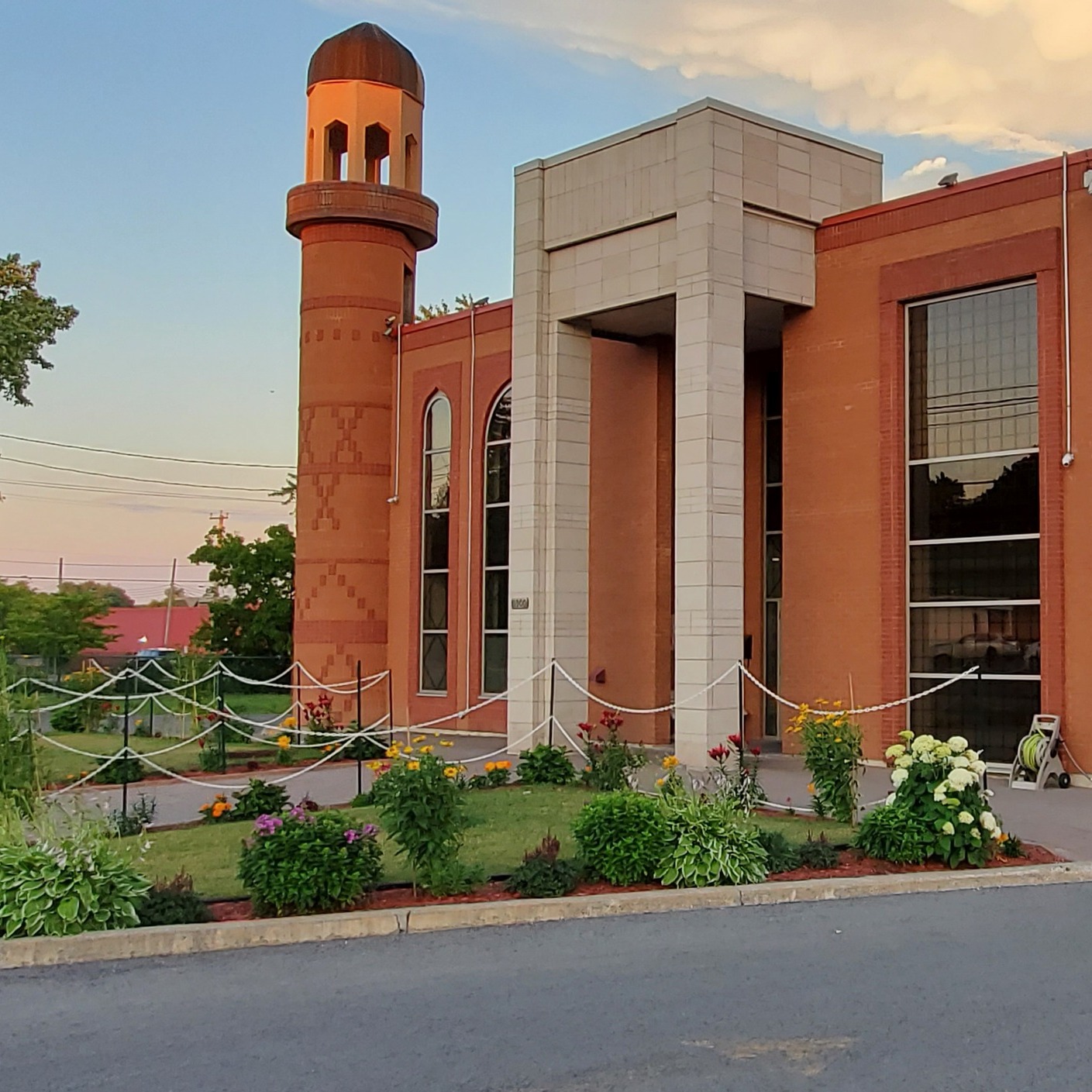
10 Top Mosques, You must visit in Canada

10 Top Mosques to Visit in the United Kingdom

Best 10 Mosques in USA

Top 10 Beautiful Mosques of the UAE

Some Common Misconceptions About Mosques and Islam

Explore the Essential Etiquette Tips for Visiting a Mosque
Discover How Many Mosques are Included in the Holy Quran
Islam: The Major Fastest Growing Religion in the World Today
