Discover How Many Mosques are Included in the Holy Quran
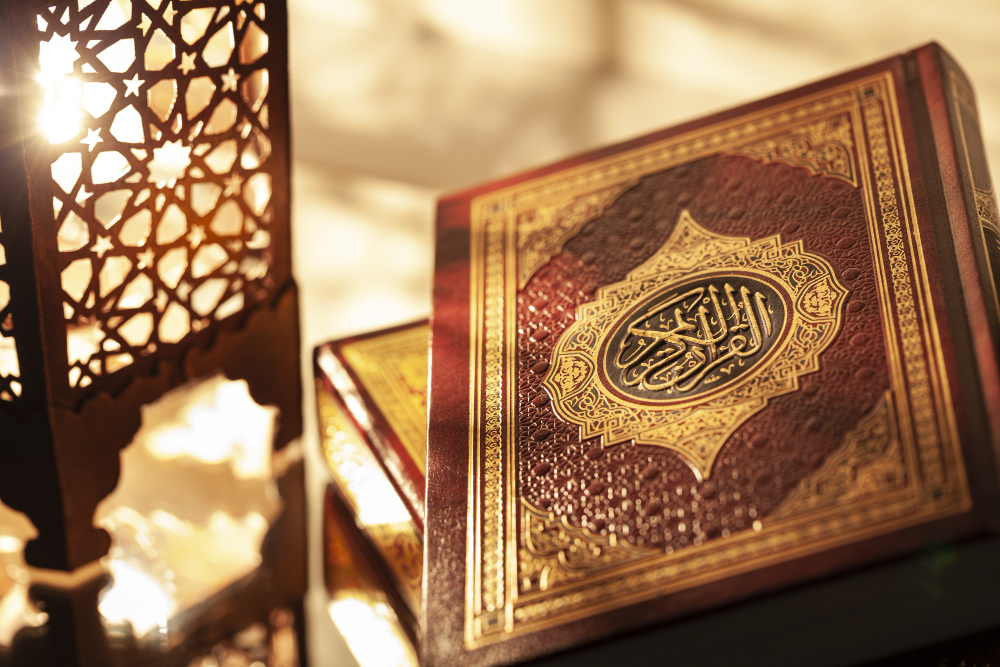
The Holy Quran, regularly appeared because the remaining supply of guidance for Muslims, incorporates a wealth of information and know-how. Beyond its spiritual significance, it addresses numerous elements of lifestyles, including places of worship. In this article, we embark on an adventure to find out what number of mosques are protected in the Holy Quran. We'll explore the Quranic references to these sacred places of worship and their significance.
How Many Mosques in the Holy Quran
The Holy Quran mentions mosques in various contexts. However, highlighting how many mosques in the Holy Quran have significance and the role they play in the lives of believers. Let's delve into these references to understand and discover how many mosques are included in the Holy Quran. However, the Holy Quran mentions five mosques.
- Masjid e Haram.
- Masjid e Aqsa.
- The Masjid e Quba.
- Masjid e Nabawwi.
- Masjid e Dirar.
The Masjid e Haram
This mosque, also famous as the Grand Mosque, is a significant mosque surrounding the Kaaba in Mecca, Saudi Arabia. It plays a central role in the Hajj pilgrimage, mandatory for all able Muslims. However, serves as the main location for the Ê¿Umrah, a lesser pilgrimage open year-round. Pilgrims circle the Kaaba during both rituals. The Great Mosque includes other important sites, such as the Black Stone, the Zamzam Well, Maqam Ibrahim, and the hills of Safa and Marwa. By August 2020, the Great Mosque holds the distinction of being the world's largest mosque and the most expensive building globally.
Holy Quran Verses for Masjid e Haram
The Holy Quran includes the term "Masjid al-Haram" 15 times. (2:144) In this verse, it is evident that your face, "O Muhammad, has been observed turning towards the heavens. We will certainly guide you to a qiblah (direction of prayer) that you find pleasing. Turn your face towards al-Masjid al-Haram, and wherever you are, believers, also face it in prayer. Those who have received the knowledge recognize that this is the truth from their Lord, and Allah is fully aware of their actions."
Masjid e Aqsa
Al-Masjid al-Aqsa holds a profoundly cherished place within the hearts of the entire Muslim community. Its history as a place of worship intricately links with the lives of numerous Islamic Prophets, making it truly exceptional. Furthermore, it holds the distinction of being a recommended destination for Muslims, where spiritual rewards multiply. This blessed mosque occupies a vast expanse, spanning 144,000 square meters. However, it is about one-sixth of the total location of the Old City of Jerusalem. It has the awesome potential to accommodate around 500,000 worshippers.
Holy Quran Verses for Masjid e Aqsa
The Holy Quran includes the term Masjid al-Aqsa 1 time. (7:1) Glorified is the One who, during the night time, transported His Servant from al-Masjid al-Haram to al-Masjid al-Aqsa, the environment of which We have blessed, to show to him Our signs. Truly, He is the All-Hearing, the All-Seeing.
Masjid e Quba
Believers consider the Quba Mosque in Medina, Saudi Arabia, to be the world's first mosque. However, constructed during the lifetime of Prophet Muhammad in the 7th century CE. Muhammad is said to have laid its first stone, and his companions completed its construction. According to historical Islamic texts, Muhammad spent 14 days in this mosque, praying and waiting for Ali to arrive in Medina after protecting Muhammad's life in Mecca. Performing ablutions at home and offering two optional prayers at the Quba Mosque is considered equivalent to performing one Umrah. Muhammad would visit this mosque regularly, advising others to do the same, promising a reward like that of an Umrah. Initially located 6 kilometers from Medina, it is now part of the city.
Prophet Muhammad's (PBUH) Said for Masjid e Quba
Masjid Quba holds the honor of being the site wherein the inspiration for Islam's first mosque was laid. However, a mosque is explicitly noted in verse 108 of Surah Tawbah within the Quran. However, The Prophet (peace be upon him) said: “Those who purify themselves at home, then come to Masjid Quba and provide prayers, will receive a reward as if they'd finished the Umrah pilgrimage.â€
Masjid e Nabawwi
The Prophet's Mosque in Medina, the second mosque built via Muhammad, is the second biggest and holiest website online in Islam after the Masjid al-Haram in Mecca. It's placed within the coronary heart of Medina, related to the Custodian of the Two Holy Mosques. Initially, Muhammad acquired its land from orphaned children, and it was later endowed by using Abu Ayyub al-Ansari. The mosque served diverse functions and has improved through the years. However, housing is the final resting vicinity of Muhammad, Abu Bakr, and Umar. The Green Dome marks Muhammad's tomb, attracting pilgrims. It turned into electrified in 1909 and has historical guardians. The mosque stays open to site visitors, besides at some stage in rare closures like the COVID-19 pandemic in 2020.
Prophet Muhammad's (PBUH) Said for Masjid e Nabawwi
The significance of Prophet Muhammad's (PBUH) mosque becomes evident through the following Hadiths: "Do not embark on a journey to seek extra prayer rewards in any mosque except for three: al-Masjid al-Haram, al-Masjid al-Aqsa, and my mosque (Masjid e Nabawwi)." (Bukhari: No. 1115)
Praying inside Masjid Nabawi ensures a thousandfold greater reward for believers: "A single prayer in my mosque surpasses a thousand prayers in any other mosque, except for al-Masjid al-Haram." (Bukhari: No. 1116)
Masjid e Dirar
The Quran references the demolition of Masjid al-Dirar, also known as the Mosque of Dissent. This Medinian mosque was initially approved by the Islamic prophet Muhammad but later destroyed during his return from the Expedition to Tabouk in October 630 CE. According to the majority of scholars, it was constructed by 12 hypocrites.
Holy Quran Verses for Masjid e Dirar
The event is referenced in Quran verse 9:107, which reads: And some individuals set up a mosque for mischief and disbelief - to create department some of the believers - and as a base for individuals who had fought in opposition to Allah and His Messenger before. The Holy Quran contains references to numerous mosques, with Masjid al-Haram and Masjid al-Aqsa being the maximum prominent.
The what number of mosques inside the Holy Quran references emphasizes the significance of those sacred locations of worship in Islam. Beyond their bodily lifestyles, mosques constitute centers of spiritual growth, schooling, and network engagement. They embody the middle ideas of the Quran, encouraging believers to connect to God, are trying to find understanding, and assisting each other. In doing so, they remain imperative to the lives of Muslims globally. Discovering what number of mosques are included inside the Holy Quran helps us admire the multifaceted position they play in the religion and day-by-day life of the Muslim community.
Recent Posts

10 Top Mosques, You must visit in Canada
10 Top Mosques to Visit in the United Kingdom

Best 10 Mosques in USA

Top 10 Beautiful Mosques of the UAE
Some Common Misconceptions About Mosques and Islam

Explore the Essential Etiquette Tips for Visiting a Mosque

FAQs Sessions Guide for Non-Muslims Before Visiting a Mosque
Islam: The Major Fastest Growing Religion in the World Today
