Number of Mosques Continues Growth in United States of America

The United States of America has long been acquainted as a melting pot of numerous cultures and religions. Over the years, the United States has witnessed enormous growth within the variety of mosques, reflecting the boom and presence of the Muslim network. This article explores the motives in the back of the increasing number of mosques within the United States of America.
United States of America Mosques Growth in the 21st Century
In 1970, the number of mosques in the United States of America was envisioned to be just over a hundred. However, the influx of over 1,000,000 Muslim immigrants, has resulted in the production of masses more mosques, By the year 2000, the count had risen to at least 1,209 mosques in the United States of America, marking enormous growth. The upward trend continued, achieving 2,106 mosques in 2010, representing a great 74% growth over the decade. The expanding presence of mosques displays the increasing Muslim community and their non-secular needs within the U.S. In 2020, the wide variety of mosques within the United States of America reached an outstanding total of 2,769. The United States of America state with the highest mosque count is New York, housing 257 mosques, followed by California with 246, and Texas with 166. Notably, there was an important surge in mosque production in 2014, indicating a building boom within the American Muslim network. This fashion indicates the increasing call for mosque centers to cater to the developing wishes of Muslims throughout the United States.
Factors Contributing to the Growth of Mosques
Several factors have contributed to the increased number of mosques within the United States of America. Firstly, the boom in the Muslim populace through immigration and the herbal boom has caused a better demand for places of worship. As more Muslims settle in the United States of America, the want for mosques to house their spiritual practices and foster an experience of community becomes evident. Secondly, the constitutional safety of religious freedom within the United States of America has allowed Muslims to freely set up mosques without good-sized felony obstacles. This guarantee of nonsecular freedom permits Muslims to exercise their faith openly and build mosques as vital religious and cultural centers.
Additionally, the increase in mosques is inspired by the aid and involvement of nearby Muslim groups and community individuals. These businesses play an important function in fundraising, making plans, and preserving mosques, ensuring their sustainability and increase. They understand the importance of offering areas for prayer, spiritual training, and community gatherings. Thereby encouraging the established order of recent mosques in diverse regions. Overall, the combination of a growing Muslim populace, constitutional protections, and the willpower of neighborhood Muslim groups has contributed to the non-stop increase of mosques within the United States of America.
Establishment of New Mosques in the United States of America
The established order of the latest mosques in the United States of America is driven using the growing Muslim population and the desire to provide handy places of worship for neighborhood communities. New mosques are normally initiated using nearby Muslim businesses or community members who understand the want for a dedicated area for prayer, religious training, and community sports. These tasks include obtaining appropriate houses or land, acquiring necessary permits and approvals, and raising the price range for creation and maintenance. The established order of recent mosques no longer simplest meets the nonsecular wishes of Muslims however also serves as a symbol of their presence and contribution to the various clothes of American society.
The Number Of Muslims Continues To Grow
The Muslim populace in the United States is experiencing a steady boom, with the wide variety of Muslims regularly increasing through the years. Recent reports imply that the overall count of mosques in the United States has reached an excellent level of 2,769. This boom can be attributed to several factors, including population growth, immigration, and conversions to Islam. The expanding Muslim community has resulted in the establishment of recent mosques across the U.S., catering to the non-secular and social desires of Muslims. These mosques serve as essential centers for prayer, network gatherings, and cultural sports. The rise in the number of mosques signifies the iconic presence and impact of Islam in the United States. It contributes to the diverse religious panorama of the state.
A city with a High Number of Mosques in USA
Among the cities in the United States, New York City boasts giant attention of mosques, with a top-notch count number of 257. This magnificent range underscores the vibrant and numerous Muslim network in the metropolis. These mosques play an important position in imparting areas for prayer, spiritual training, and community engagement. They function as vital cultural and social hubs for Muslims, fostering an experience of harmony and belonging. The abundance of mosques in New York City symbolizes the city's dedication to non secular diversity and freedom of worship. It highlights the metropolis's colorful multicultural material and its embody of various faith traditions, which includes Islam.
Number of Mosques in the United States of America
With nearly 3,000 mosques scattered in the course of America. These locations of worship have ended up an indispensable part of the American religious panorama. Although the bulk of these mosques were built by way of diverse Muslim groups within the latter half of the twentieth century. However, the presence of mosques in America is not a recent development. Mosques have been set up within the US for many decades, symbolizing the historic and ongoing presence of Islam inside the United States. These mosques function as facilities for prayer, nonsecular reflection, and network engagement. As properly as, enriching the religious range and cultural material of the kingdom. The proliferation of mosques across the USA reflects the freedom of faith. Moreover, the rich tapestry of beliefs and traditions is determined inside American society.
Number of People Annually Convert to Islam in the United States of America
An expected 30,000 people embody Islam every 12 months in the United States of America. It contributes to the dynamic boom of the Muslim community. Interestingly, around 25% of American Muslims are converting, and a large component of these new converts are African Americans. This trend highlights the increasing attraction of Islam amongst numerous segments of society. As nicely as, underscores the large position that conversions play in shaping the American Muslim population. The reasons at the back of those conversions vary and may consist of personal religious exploration, and marriage to a Muslim. Moreover, exposure to Islamic teachings, and an appeal to the religion's values and principles.
Recent Posts

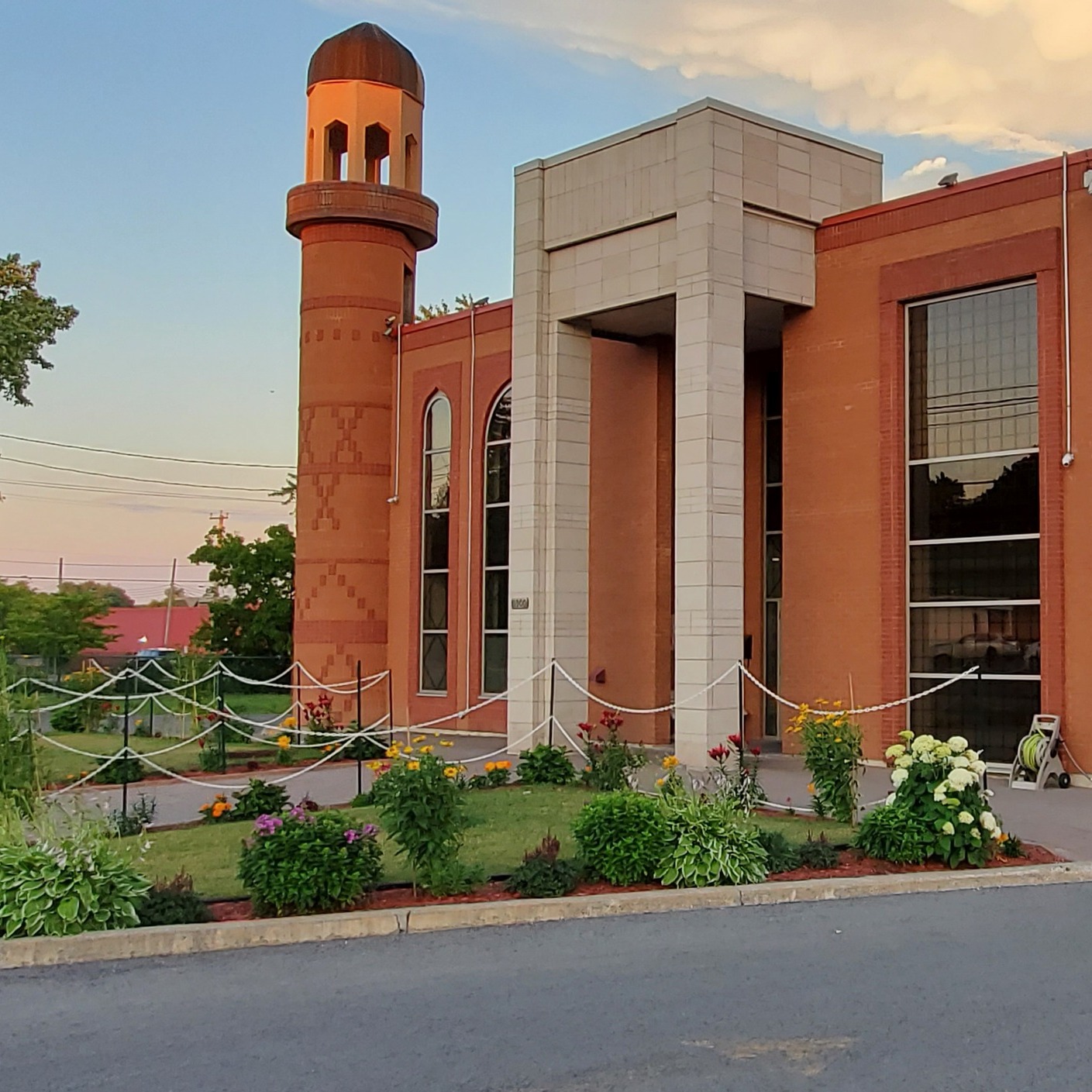
10 Top Mosques, You must visit in Canada
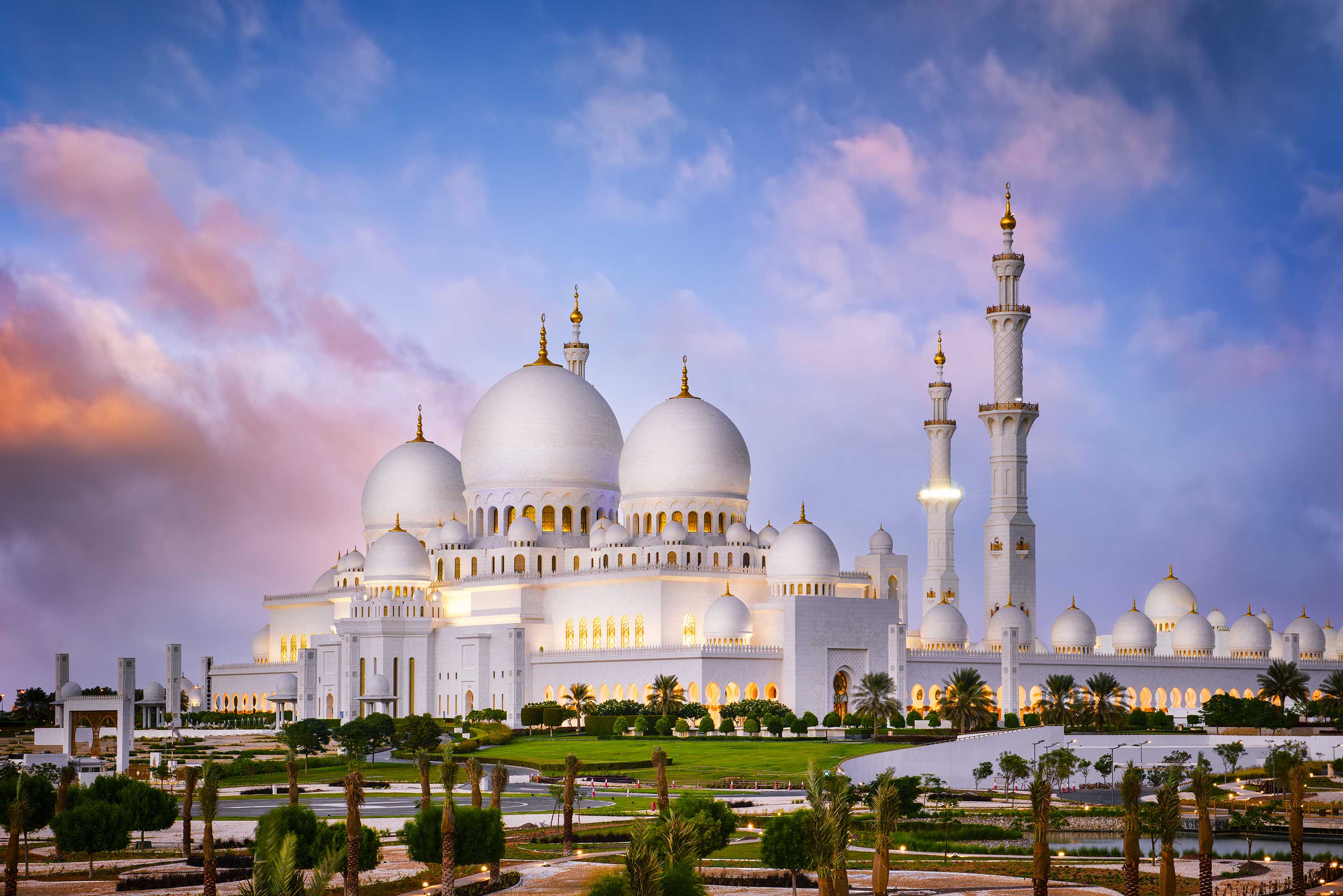
10 Top Mosques to Visit in the United Kingdom

Best 10 Mosques in USA

Top 10 Beautiful Mosques of the UAE

Some Common Misconceptions About Mosques and Islam

Explore the Essential Etiquette Tips for Visiting a Mosque
Discover How Many Mosques are Included in the Holy Quran

FAQs Sessions Guide for Non-Muslims Before Visiting a Mosque