Explore Islamic Celebrations and Festivals in the Mosques

Islam is a religion rich in traditions and celebrations. One of the most important aspects to explore of these Islamic celebrations is the central role that mosques play in hosting and organizing them. In this article, we will delve into the various Islamic celebrations and festivals that take place in mosques. Moreover, explores Islamic celebrations and festivals' significance, customs, and the sense of community they foster.
Muharram Very 1st Festival in the Islamic lunar Calendar
The Islamic lunar calendar begins with Muharram, which is the first month. For both Sunni and Shia Muslims, the first month of the Islamic year has significant significance. Many mosques will host meetings and processions to commemorate Imam Hussein's sacrifice. This time is for self-purification and contemplation of the virtues of justice and sacrifice.
Ashura The Significant Day in Muharram
Ashura is an important day of Muharram, particularly for Shia Muslims. It remembers the martyrdom of Imam Hussein, Prophet Muhammad's grandson. Mosques are transformed into venues for reliving the tragic events of Karbala through sermons and elegies. Processions bring together believers to pay their respects and express their sadness.
Mawlid al-Nabi Celebrating the Prophet's Birthday
The celebration of this anniversary differs in keeping with Islamic community. However, many mosques preserve gatherings in which the Quran is recited and lecturers offer lectures approximately the Prophet's existence and teachings.
Isra and Mi'raj The Night Journey and Ascension
Isra and Mi'raj celebrate the Prophet Muhammad's miraculous night journey from Mecca to Jerusalem, as well as his ascent to the sky. Mosques host special meetings to reflect on this event, which is spiritually and historically significant in Islam.
Shab-e-Barat Night of Forgiveness
Shab-e-Barat, also well-known as the Night of Forgiveness, is determined on the fifteenth day of Sha'ban, the Islamic lunar calendar's eighth month. Muslims gather at the mosque for special prayers on this night to invite forgiveness for their sins. Believers light up mosques at night and spend the night in prayer and worship.
Ramadan Most Sacred Month in Islam
Ramadan is one of Islam's holiest months. It is a season of fasting, introspection, and greater devotion. During this month, Muslims visit the mosque for Taraweeh prayers, which are extra prayers performed in the congregation. Mosques are wonderfully decorated, and the atmosphere is spiritual. The breaking of the fast (Iftar) in the mosque, where the entire community gathers, is a treasured custom.
Lailat al-Qadr The Night of Decree
Lailat al-Qadr, additionally called the Night of Decree or Night of Power, is a good-sized nighttime in the final 10 days of Ramadan. It is thought to be the night when the Prophet Muhammad received the Quran for the first time. Many Muslims spend the entire night within the mosque praying and pleading for God's benefits and pardon on this night.
Eid al-Fitr Festival of Breaking the Fast
Eid al-Fitr, frequently spelled Eid ul-Fitr,is the completion of Ramadan, a month of fasting and religious reflection. This event is extensively known in mosques around the sector. Early in the morning, worshippers gather for a special prayer known as Salat al-Eid. Following the prayer, family and friends acquire gifts, eat food, and donate to the less fortunate.
Hajj A Fundamental Pillar of Islam
One of Islam's Five Pillars is Hajj, the yearly Islamic pilgrimage to Mecca. Muslims who are not performing Hajj frequently visit the mosque to seek blessings and engage in acts of worship. During this time, mosques became centers for prayer and reflection.
Eid al-Adha Festival of Sacrifice
Eid al-Adha, or the Festival of Sacrifice, celebrates Prophet Ibrahim's (Abraham's) willingness to sacrifice his son Isma'il (Ishmael) as an act of obedience to God. This vacation is famous for a special prayer in the mosque as well as the Qurbani, the act of sacrificing an animal, generally a lamb, goat, or cow. The meat is ultimately given away to those in need.
Jumu'ah (Friday Prayer) Weekly Congregational Gathering
While not a traditional celebration, Jumu'ah is an important weekly event for Muslims. Muslims congregate in the mosque every Friday for Jumu'ah prayer, which includes a sermon called Khutbah. This is an opportunity for the community to gather, listen to religious teachings, and deepen their relationships.
Nikah Ceremony in the Mosques
Muslims hold the Nikah Ceremony, an essential Islamic ritual, in high regard within mosques. Nikah is the Islamic marriage contract, and it is a joyful moment in which two people commit to a life together based on Islamic ideals. Mosques provide a solemn and religious backdrop for this important event. Prayers, recital of Quran verses, and the exchange of vows are common elements of the ritual. It is a time for families and friends to gather to ask for blessings and celebrate the couple's union. The tranquil ambiance of a mosque enhances the spiritual value of the Nikah Ceremony.
Other Special Festivals in the Mosques
Apart from the major festivals and weekly gatherings, mosques often host events such as weddings, funerals, and lectures by prominent scholars. These occasions bring the community together and allow for shared experiences beyond the regular prayer services.
The Role of Mosques in Islamic Celebrations and Festivals
Mosques serve as the heart of these Islamic celebrations and festivals. Mosques are beautifully adorned, and the atmosphere is filled with a sense of unity and devotion during these festivities.
Islamic Cultural and Regional Variations
It's important to note that different cultures and regions may vary in how they observe these Islamic celebrations and festivals. While the core religious practices remain the same, the customs and traditions associated with each festival can differ.
The Power of Islamic Celebrations in Mosques
Islamic celebrations and fairs in mosques are more than simply non-secular rituals; they may be a reflection of the strong experience of network and devotion that defines Islam. These activities bring humans of every age, background, and walk of existence together, fostering unity and a deep connection to their faith. Islamic celebrations and galas in mosques offer a completely unique opportunity to witness the rich tapestry of Islamic subculture, lifestyle, and spirituality. Millions of Muslims around the arena cherish them as not only the best moments of worship but also instances of pleasure, togetherness, and shared values.
Recent Posts

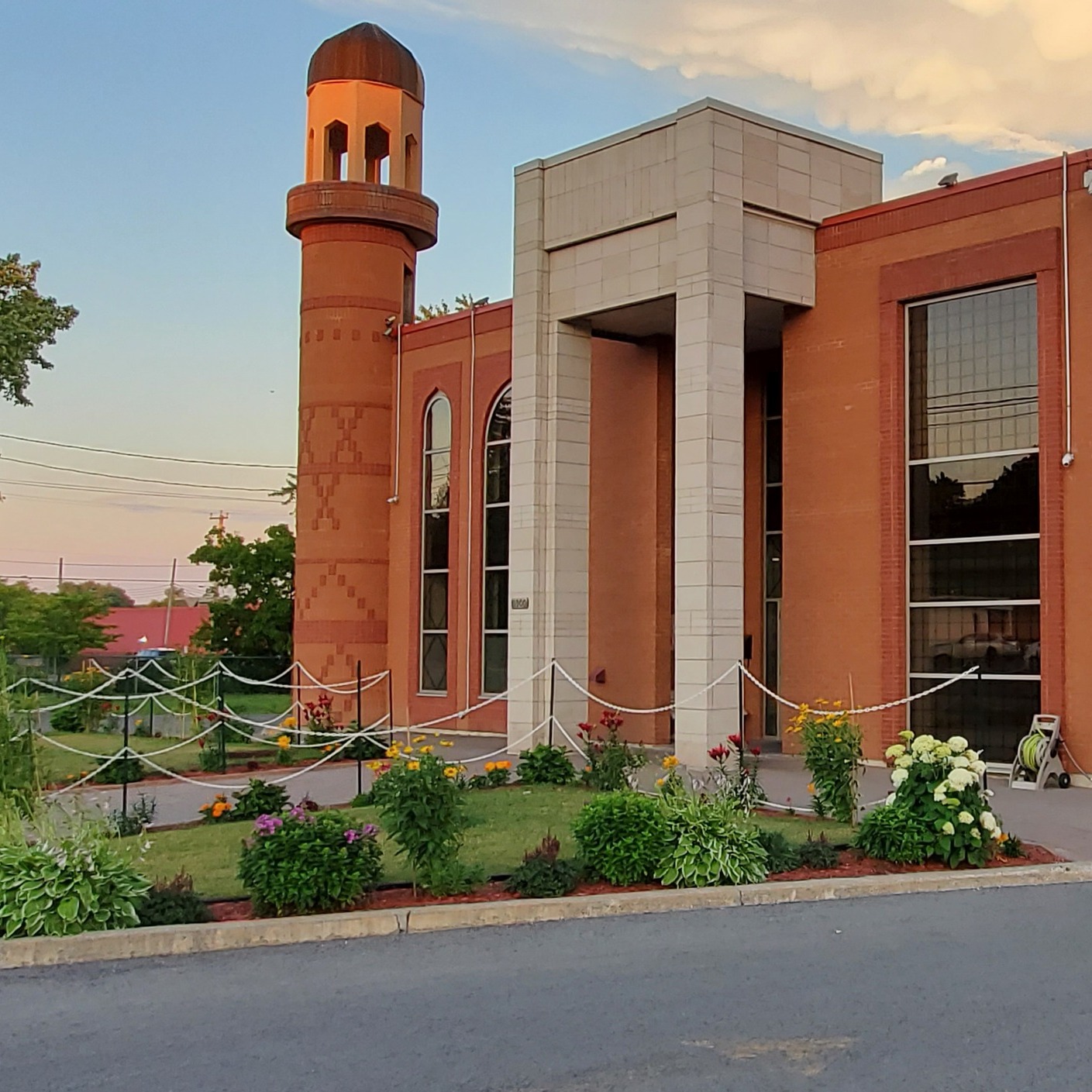
10 Top Mosques, You must visit in Canada
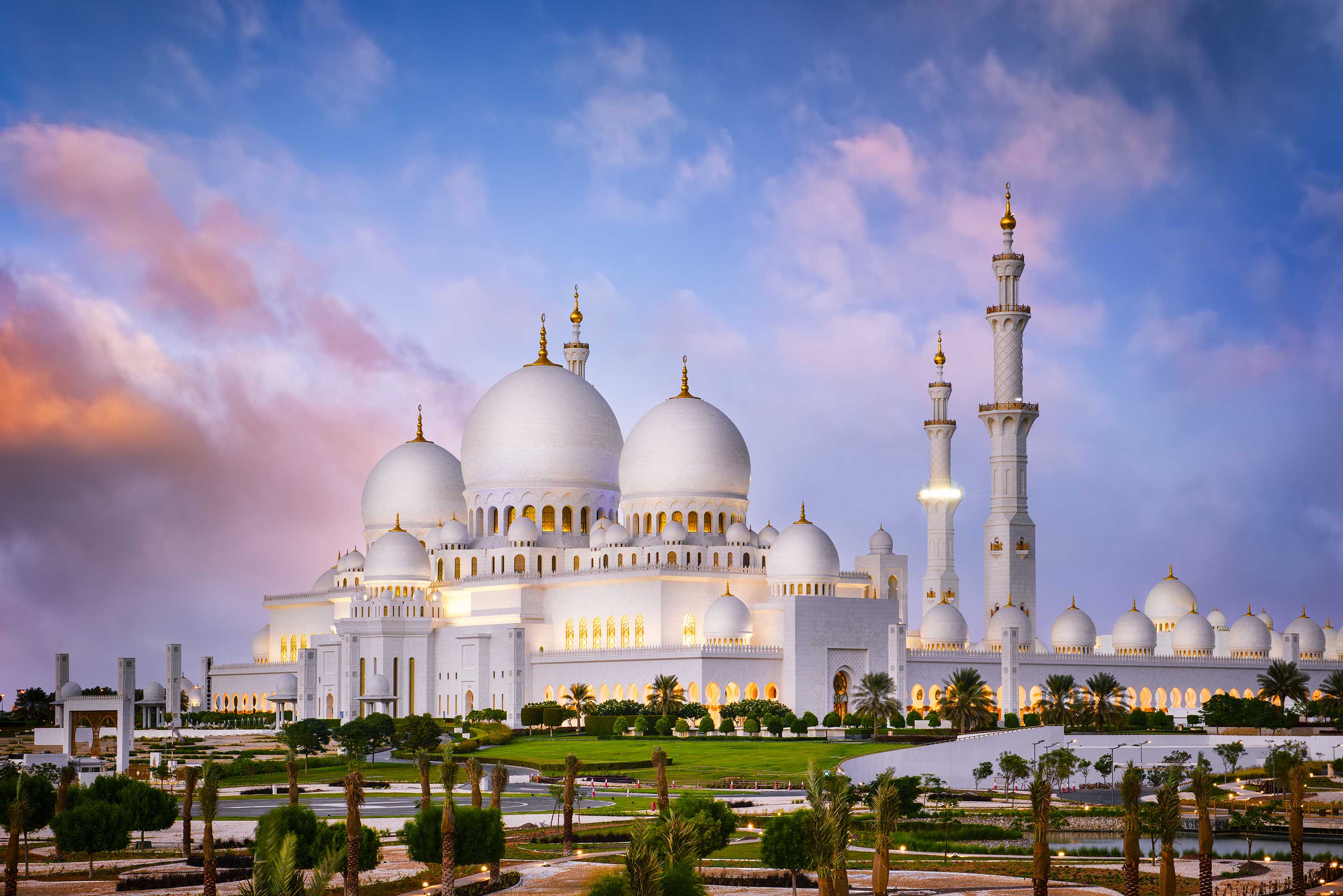
10 Top Mosques to Visit in the United Kingdom

Best 10 Mosques in USA

Top 10 Beautiful Mosques of the UAE

Some Common Misconceptions About Mosques and Islam

Explore the Essential Etiquette Tips for Visiting a Mosque
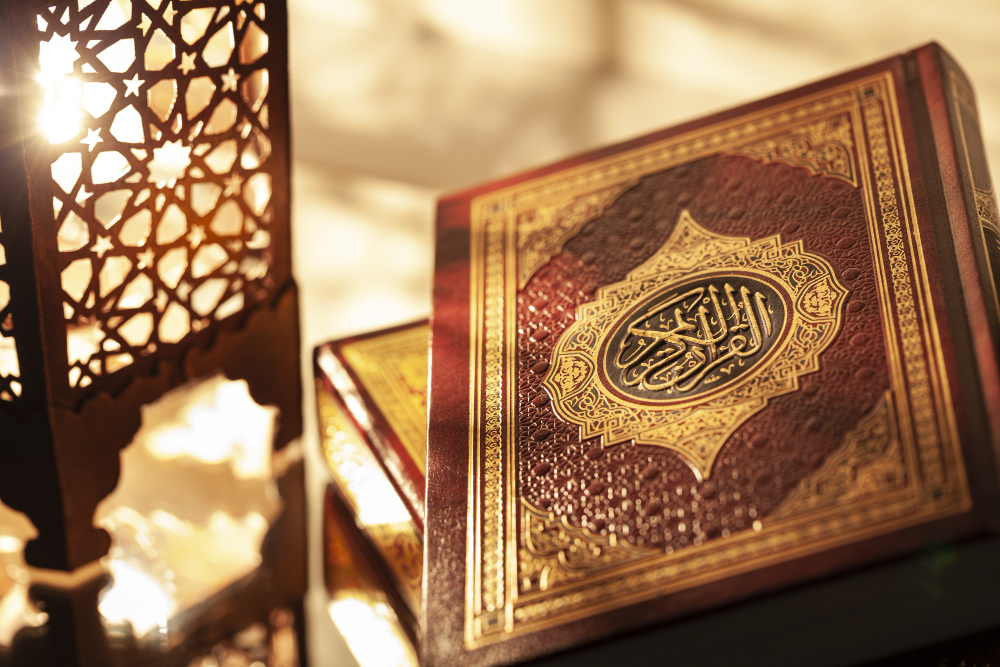
Discover How Many Mosques are Included in the Holy Quran

FAQs Sessions Guide for Non-Muslims Before Visiting a Mosque