Understanding the Islamic Calligraphy in Mosque Art and Styles
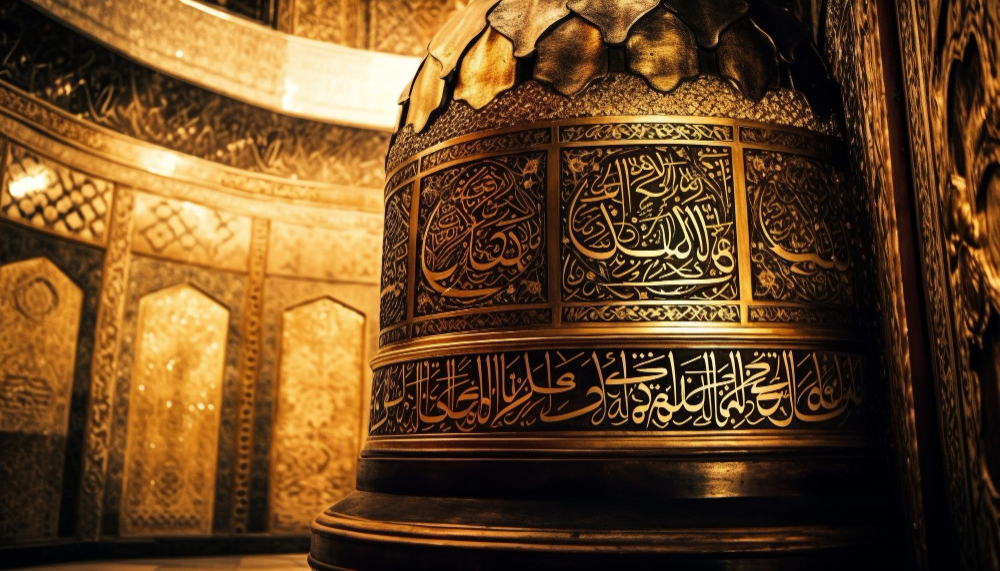
Islamic calligraphy holds a profound significance in global art and subculture. It is a visible illustration of Islamic beliefs and serves as a fundamental element in the aesthetics of mosques. In this comprehensive exploration, we will delve into the heart of Islamic calligraphy. Moreover, its significance, and the various styles it manifests within mosque art and architecture. We will closely examine the art and style of understanding Islamic calligraphy and its role in shaping the styles of mosques.
The Beauty of Islamic Calligraphy
Islamic calligraphy, an exquisite art form, captivates with its intricate and harmonious designs. Its beauty lies in the graceful curves and elegant strokes that bring the words of the Quran to life. This artistry adorns the walls of mosques, weaving spirituality into the very fabric of Islamic culture. The symphony of colors, scripts, and patterns creates a visual and nonsecular enjoyment, invoking a sense of serenity and reverence. Islamic calligraphy stands as a testament to the profound connection between art, religion, and lifestyle. However, honestly exemplifies the splendor of human creativity.
The Significance of Islamic Calligraphy
Islamic calligraphy goes beyond creative expression. However, it is a way of conveying nonsecular messages. The use of calligraphy to inscribe verses from the Quran on mosque partitions is a vital aspect of Islamic tradition. Understanding this importance is essential in comprehending the essence of mosque art and styles.
Who is the Originator of Islamic Calligraphy?
Ibn Muqlah, completely called AbÅ« Ê¿AlÄ« Muḥammad ibn Ê¿AlÄ« ibn Muqlah, became a prominent calligrapher who lived from 886 to 940 in Baghdad, that's now in Iraq. He is widely known as one of the leading calligraphers of the Ê¿AbbÄsid Age, which spanned from 750 to 1258. Ibn Muqlah is renowned for his reputation as the inventor of the first cursive style of Arabic lettering, familiar as the naskhÄ« script. This innovative script replaced the angular KÅ«fic style and became the standard in Islamic calligraphy.
Understanding Islamic Calligraphy Historical Perspective
To grasp the roots of Islamic calligraphy, we must journey back in time to the early days of Islam. The Prophet Muhammad emphasized the importance of beautiful handwriting. Calligraphy evolved over centuries, with various scripts and styles emerging, each with its unique characteristics.
The Diverse Styles of Islamic Calligraphy
Islamic calligraphy encompasses a wide range of styles, each distinct in its form and essence. These styles play a significant role in shaping the aesthetics of mosques. Some of the prominent styles include Kufic, Naskh, Thuluth, and Diwani. However, Each of these styles carries its sense of grace and intricacy.
Kufic: The Ancient Elegance
Kufic is one of the earliest forms of Islamic calligraphy. Its blocky, angular letters exude a sense of antiquity and austerity. Kufic script is often found in the inscriptions of historic mosques, contributing to their timeless charm.
Naskh: The Everyday Elegance
Naskh is a more flowing and legible script, making it suitable for everyday use. Calligraphers commonly employ it in designing calligraphy within modern mosques. The clear and elegant strokes of Naskh add a touch of simplicity to the overall style.
Thuluth: The Majestic Script
Thuluth is famous for its majestic appearance, with its elongated and curvilinear letters. Calligraphers often reserve this style for special inscriptions in mosques, thus giving those inscriptions an air of grandeur and importance.
Diwani: The Artistic Flourish
Diwani calligraphy is characterized by its elaborate and decorative strokes. People often use it for ornamental purposes in mosque decoration. The intricate nature of the Diwani script contributes to the artistic richness of mosque interiors.
The Role of Arabic Calligraphy Within a Mosque
Calligraphy is widely used in mosques to engrave verses from the Qur'an and other holy texts on various surfaces. However, including walls, the mihrab (prayer niche), the minbar (pulpit), and the domes. These inscribed passages have a profound purpose as they serve as a perpetual connection to the divine. In addition, it creates a spiritual ambiance that enhances the worship experience for those who gather within the mosque.
The connection between Islamic Calligraphy and Mosque Styles
The beauty of Islamic calligraphy lies in its ability to seamlessly blend with mosque architecture. The calligraphers intricately weave the calligraphic inscriptions into the very fabric of the mosque. Moreover, they are not separate from the overall style.
The Role of Islamic Calligraphy in Mosque Art
Islamic calligraphy serves to enhance the spiritual atmosphere of the mosque. The verses from the Quran inscribed on the walls connect the worshippers to the divine words, creating a sense of reverence and serenity. The choice of calligraphic style can enhance the mosque's grandeur. Moreover, maintains simplicity, depending on the intended architectural style.
Aesthetic Unity in Mosque Styles
Understanding the relationship between Islamic calligraphy and mosque styles is essential for achieving aesthetic unity. The choice of calligraphy style should align with the architectural elements of the mosque. However, it ensures a harmonious blend between the written word and the built environment.
What Purpose Did Calligraphy Serve in Islamic Culture?
Calligraphy in the Islamic world was employed as a means of artistic expression and visual adornment. Islamic calligraphy skillfully presents the sacred words and verses of the Quran, considered the divine word of God. However, to embellish structures, books, religious sites, and various public and private settings. This practice was favored in Islamic culture as depictions of human and animal figures, sculptures, and paintings were generally discouraged due to religious beliefs. Islamic calligraphy is an integral part of mosque art and styles. Its rich history, diverse styles, and profound significance make it a fundamental element in mosque aesthetics.
Recent Posts

10 Top Mosques, You must visit in Canada
10 Top Mosques to Visit in the United Kingdom

Best 10 Mosques in USA

Top 10 Beautiful Mosques of the UAE
Some Common Misconceptions About Mosques and Islam

Explore the Essential Etiquette Tips for Visiting a Mosque
Discover How Many Mosques are Included in the Holy Quran

FAQs Sessions Guide for Non-Muslims Before Visiting a Mosque