The Importance of Mosques in Islam: A Comprehensive Guide
The importance of mosques in Islam can't be overstated. Serving as sacred sanctuaries, mosques maintain an essential cause in the lives of Muslims. The Islam is the second-most popular faith globally, with a predicted 1.9 billion fans. Islam fans are termed Muslims. Islam emerged in the 7th century in Hijaz, the western Arabian Peninsula vicinity. It was delivered by Prophet Muhammad, who became the closing prophet after Moses and Jesus within the Islamic faith. The phrases Islam and Muslim come from an Arabic phrase meaning submission. Therefore, a Muslim is a follower of the Islamic religion and should approach someone who accepts and obeys God's will. Muslims are determined across the world. An international community of Muslims is famous as the Ummah.
Importance of Mosques in Islam
Of all Muslim establishments, the mosque is the most important location for the public expression of Islamic religiosity and communal identity. A mosque is a physical manifestation of the public presence of Muslims and serves as a factor of convergence for Islamic social and highbrow interests. The importance of mosques in the Islamic way of life may be attributed to several reasons, which include:
1. A Place of Worship
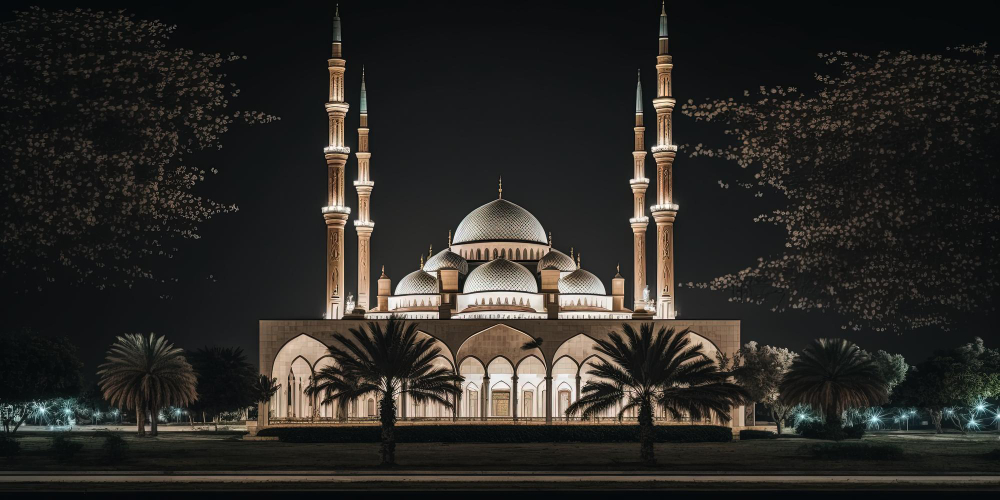
At the heart of it all, the significance of mosques is paramount. The Muslim place of prayer is known as a mosque. The term mosque comes from an Arabic word, masjid, which means an area of prostration. Architects design and adorn a mosque with Islamic figurative arts consisting of calligraphy, geometric patterns, and arabesque. It can also be defined because of the construction of worship in Islam. The place where the worshippers accumulate is known as the prayer hall.
The windows and the partitions of this place are embellished with geometric styles and plant life. However, even as the floor is covered with a properly patterned carpet. There is likewise a special area on one of the partitions that shows the direction to stand while supplying prayers, called a mihrab (area of interest). Qibla refers to the course of prayers. A mosque additionally has a slim tower known as a minaret, in which someone calls humans for prayers.
2. A Center of Learning
Mosques are locations where Muslims worship; they are an open location of prayer in Islam. There are two primary sorts of mosques: masjid jimi, which means ‘collective mosque’ and is a center of community worship and where Muslims attend Friday prayer services. There are also smaller, non-public mosques that might be attended by numerous humans within the network. This emphasis on education underscores the importance of mosques in nurturing younger technology, supplying them with solid information and a profound connection to their faith. This changed, particularly to educate the Qur'Än and to offer classes to different people within the community.
3. A Place for Community
The importance of mosques as community hubs for Muslims cannot be overstated. Here, you need to differentiate how the mosque entails network development. Mosque principles begin from the point that each day 5-time prayers are obligatory for every adult and sane Muslim. On the other hand, the smart contributors of the community need to encourage people to return to the mosque. After going to the mosque becomes their habit, five new fortunes may happen for the population and community. After that, most of the troubles of development can be solved. These five fortunes are as follows:
- Forming brotherhood and courting inside the community
- Learning new things
- Creation of knowledge
- Expected Divine Mercy
4. Inside a Mosque for Children
The first mosques were modeled at the Prophet Muhammad's (Peace Be Upon Him) home and were plots of ground that have been marked as sacred. Mosque homes have huge open spaces inside, with mats or carpets masking the floor. Men carry out prayer on these mats under the steerage of an imam, who is a worship leader within the Muslim network. When girls pray within the mosque, they have to be in a separate space or chamber. Inside the mosque, there may be a miḥrÄb and a minbar. The mihrab reserves a semicircular space pointed inside the course of Mecca for the imam to perform a prayer.
5. The Role of the Imam
The role of the imam inside Islam deeply intertwines with the importance of mosques, serving multiple motives. Most typically, people use the title of the prayer leader of a mosque as Imam. In this context, imams may additionally lead Islamic prayers, function as network leaders, and offer non-secular guidance. Many humans turn to the Imam for suggestions and recommendations on widespread private and network matters.
6. Mosques Around the World
The global presence of mosques underscores the importance of mosques in Islam as essential locations of worship. There are approximately 3.6 million mosques around the arena, with every mosque massing about 500 prayers because of the growing Muslim population. The numbers have been launched by individuals at a global convention held at the King Abdulaziz Center for World Culture in Ithra, Saudi Arabia. The global presence of mosques similarly emphasizes their pivotal function in fostering non-secular devotion and communal harmony.
7. Education and Learning
In addition, the importance of mosques in Islam goes beyond their primary motive as locations of worship; additionally, they feature as essential educational facilities for Muslims. The mosques not only serve as facilities where traditional Islamic teachings are studied and disseminated. Moreover, promoted but are also the most outstanding Muslim institutes. Muslims go to mosques to study more about the religion and to memorize and recite the Quran.
The Architecture of the Mosque
The importance of mosques is obvious in the profound significance they hold for Islam and its enthusiasts. The minaret, tower adjoining or attached to a mosque, from which the decision to pray is announced. However, it is one of the most prominent features of mosque architecture. Architects carefully craft every architectural element to create an ecosystem that promotes tranquility, team spirit, and a strong connection with Allah.
Some Facilities in Mosques
The importance of mosques will become obvious in the important centers they provide to the community. Inside the mosque, you may find the mihrab, a point of attraction that indicates the road to Mecca. You will also discover the minbar, a pulpit in which the leader of the prayer, the imam, stands on top. And on the path within the Mihrab area of interest itself, you may locate the mosque lamp. Moreover, there are school rooms for Islamic training and libraries housing a wealth of Islamic literature. Moreover, mosques offer regions for funeral prayers, wedding ceremonies, and numerous community activities. These diverse centers play a vital role in selling networked brotherly love and strengthening the bond within the Muslim community.
Recent Posts

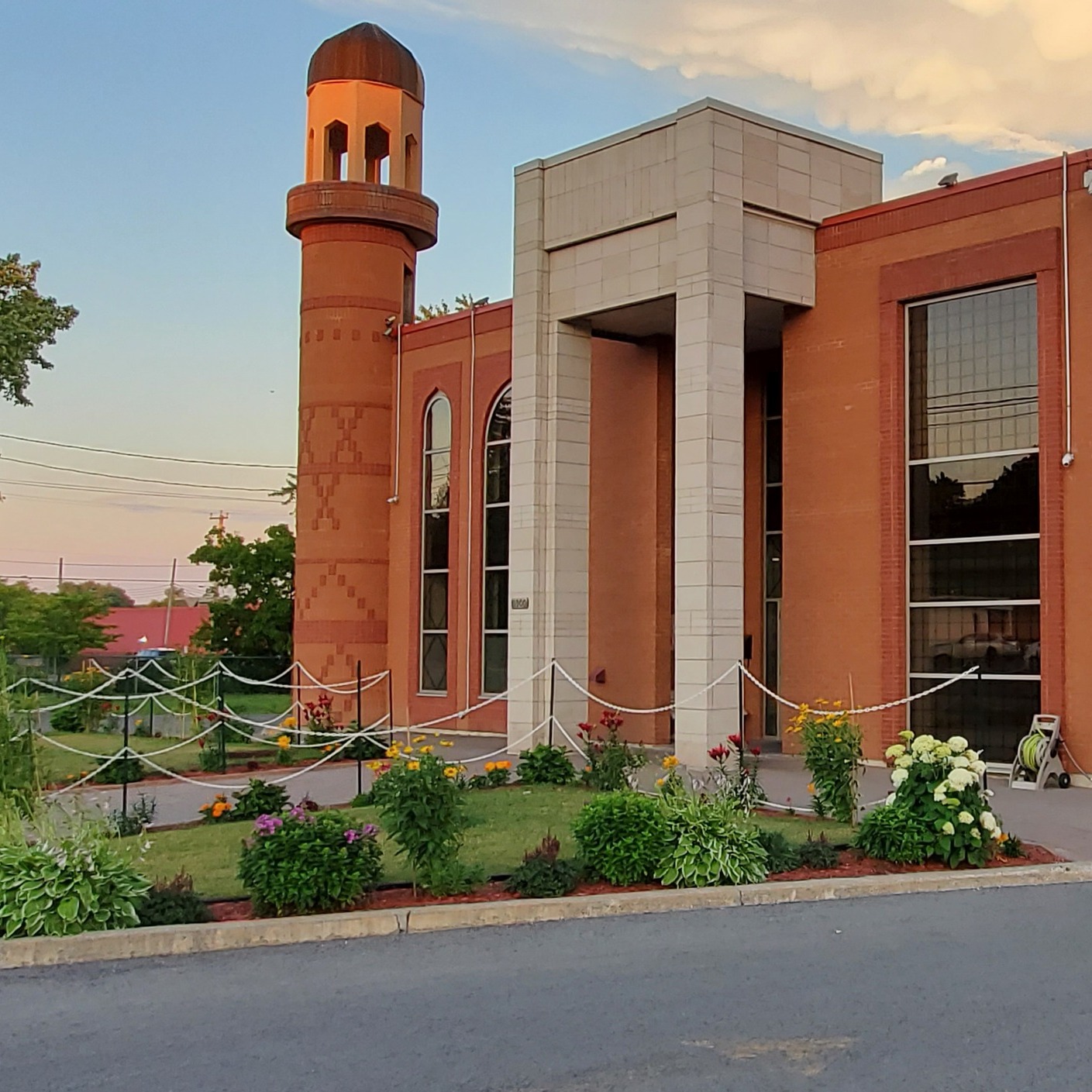
10 Top Mosques, You must visit in Canada
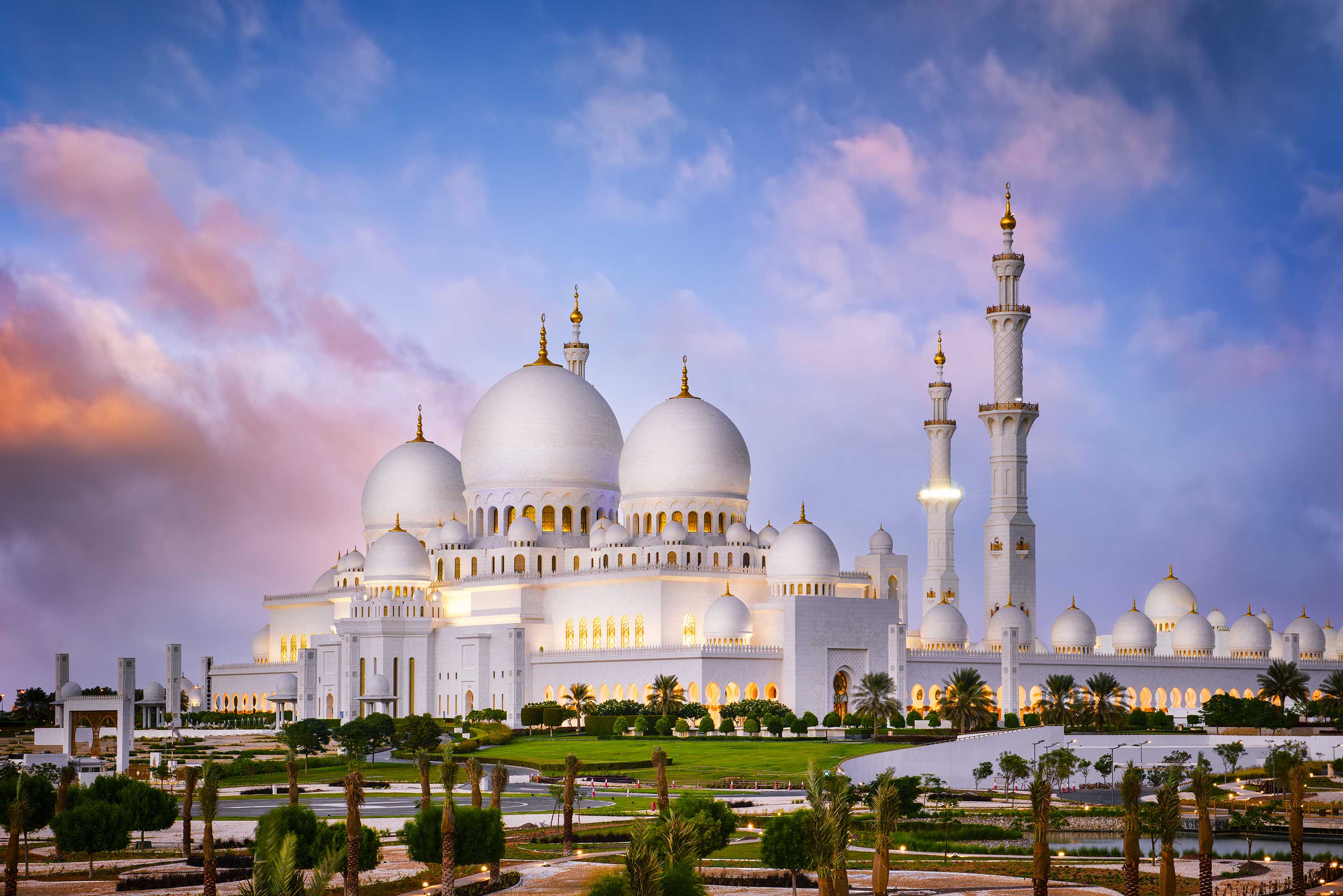
10 Top Mosques to Visit in the United Kingdom

Best 10 Mosques in USA

Top 10 Beautiful Mosques of the UAE

Some Common Misconceptions About Mosques and Islam

Explore the Essential Etiquette Tips for Visiting a Mosque
Discover How Many Mosques are Included in the Holy Quran

FAQs Sessions Guide for Non-Muslims Before Visiting a Mosque