Exploring the History of the Mosque in Islam
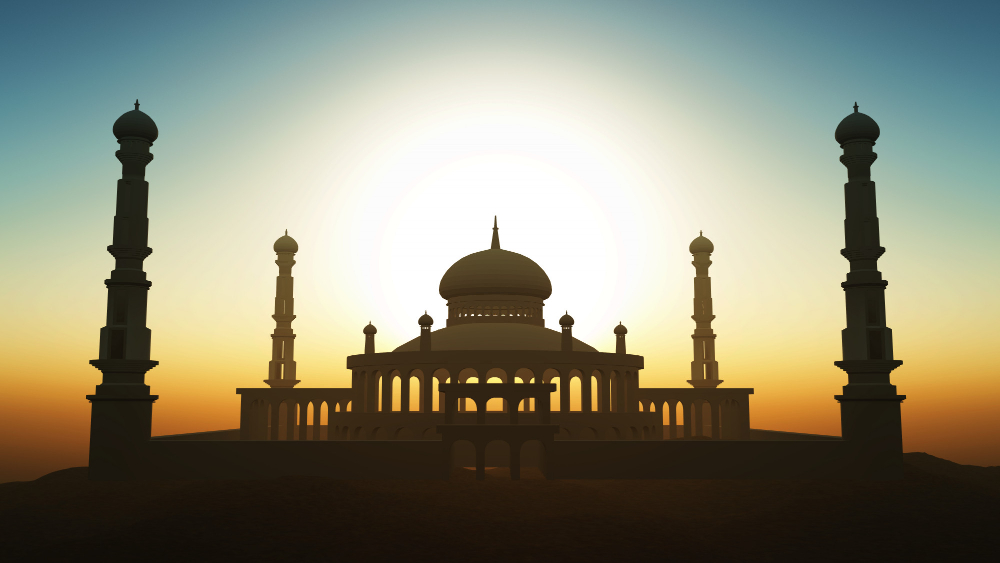
The history of the mosque is a captivating adventure that suggests the deep-rooted traditions and religious importance of Islam. The Prophet Muhammad's preliminary residence in Medina (gift-day Saudi Arabia) is notion to be the number one mosque. However, it maximum probably served as a model of early mosque architecture. It developed right into a dirt-brick edifice with living quarters on one aspect of a square courtyard. The history of the mosque is an exquisite tale of willpower, community, and the spiritual heritage of Islam, from its humble beginnings during the time of Prophet Muhammad to the majestic structures that stand today.
The History of the Mosque in Islam
The history of mosque in Islam is a rich tapestry, woven with cultural, architectural, and non-secular importance. The Quba Mosque is a mosque in Medina, Saudi Arabia's Hejazi district. It became mounted at some point of the reign of the Islamic prophet Muhammad in the 7th century C.E. Over centuries, they've stood as symbols of religion, web hosting prayers, fostering knowledge, and embodying the diverse architectural types of Muslim civilizations across the world.
Origins of the Mosque
The history of the mosque may be traced returned to the time of Prophet Muhammad in the seventh century. The Prophet Muhammad's initial mosque in Medina seemed to be the primary mosque. However, it maximum probable served as a model for early mosque homes. It changed into a dirt-brick creation with living quarters on one aspect of a square courtyard that changed into an enclosure.
Spread of Islam and the Mosque
The history of the mosque prolonged because the Muslim empire extended. However, attaining Africa, Europe, and Asia. Military conquest, alternate, pilgrimage, and missionaries all contributed to the boom of Islam. Over time, Arab Muslim soldiers conquered full-size nations and installed imperial businesses.
Evolution of Mosque Architecture
The history of the mosque is marked by the evolution of its shape. The evolution of mosque structures is a charming adventure spanning centuries and cultures. The one-of-a-kind designs of mosques developed over time in reaction to the types of secular duties they served at various times and places. Furthermore, the design of a mosque isn't constrained by any Islamic ritual or religion.
Mosques as Centers of Education and Culture
The history of the mosque is well-known for its multifaceted roles beyond mere locations of worship. In the beginning, the mosque turned into a place of learning and teaching; humans discovered the entirety of the mosque, which includes the Qur'an, writing, and studying, as well as science, mathematics, biology, records, law, and other subjects. Moreover, they may also be the most notable Muslim institutes. Muslims visit mosques to learn more about the religion and to memorize and recite the Quran.
Preserving the History of the Mosque
Preserving the history of the mosque is vital to knowing the development and contributions of Islamic civilization. Living nations that cherish their traditions work hard to preserve crucial historic lines from their past. By doing so, they ensure an accurate account of their contributions to the advancement of tradition, the arts, and science. This record consequently becomes a permanent reminder of traditions mounted on robust roots and a stable foundation. The records of the mosque are a testament to the growth and spread of Islam, in addition to the wealthy architectural and cultural background it encompasses.
The Great Mosque of Damascus
The Great Mosque of Damascus, a top instance of the history of the mosque, stands as a testament to its rich Islamic historical past. The Umayyad Mosque is additionally referred to as the Great Mosque of Damascus. However, it is one of the world's biggest and oldest mosques, positioned within the vintage city of Damascus, Syria's capital. Its theological importance originates from eschatological reports about the mosque and historical activities linked to it. According to Christian and Muslim perceptions, it's far from the burial vicinity of John the Baptist's head, a lifestyle that dates back to the 6th century. Two shrines on the property honor the grandson of the Islamic prophet Muhammad, Husayn ibn Ali, whose martyrdom is sometimes compared to that of John the Baptist and Jesus.
The Great Mosque of Cordoba
The history of the mosque comes alive in the Great Mosque of Cordoba. However, it is an excellent testament to the early Islamic world. The Mosque-Cathedral of Córdoba, also known by its spiritual name Cathedral of Our Lady of the Assumption, is a Roman Catholic cathedral inside the Spanish vicinity of Andalusia dedicated to the Assumption of Mary. Because it was once a mosque, it is referred to as the Mezquita ('mosque' in Spanish) and the Great Mosque of Córdoba.
The Al-Aqsa Mosque
The history of the mosque unfolds inside the Al-Aqsa Mosque, an extremely extensive site inside the Islamic world. The Aqsa Mosque, also referred to as the Qibli Mosque or Qibli Chapel, However, it's far from the primary congregational mosque or prayer corridor of Jerusalem's Al-Aqsa mosque compound. According to some accounts, the constructing is likewise known as al-Masjid al-Aq, but this time period refers back to the whole courtyard wherein the constructing is placed, which is likewise referred to as Al-Aqsa Mosque. Al-Aqsa or Al-Aqsa mosque compound, also known as al-Aram al-Sharf, refers to the larger compound.
Recent Posts

10 Top Mosques, You must visit in Canada
10 Top Mosques to Visit in the United Kingdom

Best 10 Mosques in USA

Top 10 Beautiful Mosques of the UAE

Some Common Misconceptions About Mosques and Islam

Explore the Essential Etiquette Tips for Visiting a Mosque
Discover How Many Mosques are Included in the Holy Quran

FAQs Sessions Guide for Non-Muslims Before Visiting a Mosque